
The Biggest Battles of the Serbian Revolution (Part 1)
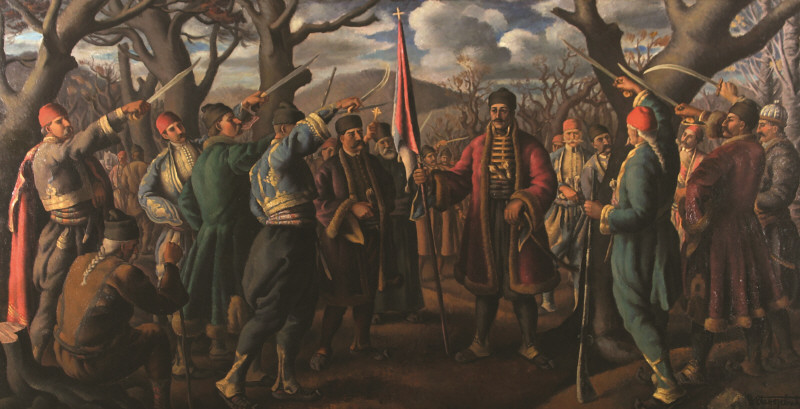
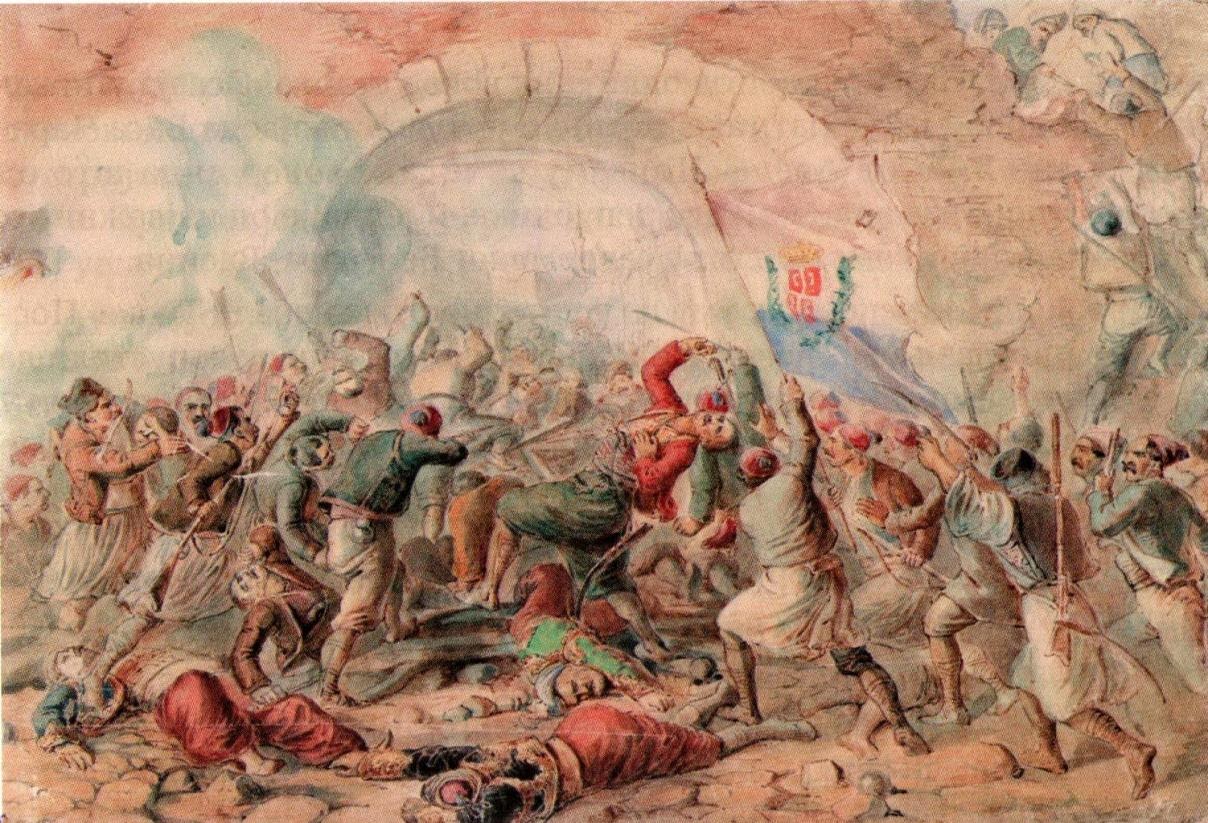
The Serbian revolution was a long and complex historical process, undertaken by the oppressed Christian serfs (Raja) of the Ottoman Empire, intending to obtain rights of social dignity, national recognition and political autonomy at the beginning of the 19th century. As a rebellion of a disenfranchised group of society with a clear aim for acquiring national statehood, it inspired revolutions of other Christian peoples of the Turkish Empire, Greeks and Romanians before all. This major endeavor of Serbian history lasted for almost three decades and featured different methods of fighting. Therefore, some historians claim the Era of the Diplomatic Struggle (1815-1830) as a more fruitful period of the revolution than the previously fought uprisings (1804-1815). Although this might be an interesting point, the role of the armed efforts of Serbian insurgents in opening the door for diplomatic negotiations with the Sultan and Muslim nobility remains indisputable. In the following lines, we will see how the famous battles of the two Serbian uprisings created the ground for the ensuing political negotiations with the Turks.