
Tale of the starvation and stubbornness – Siege of Leningrad (1941-1944)

Introduction

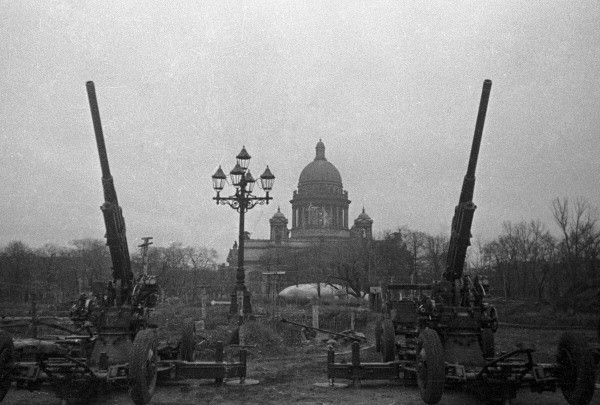
When Nazi Germany decided to attack the Soviet Union, the infamous operation Barbarossa, city of Leningrad (modern St. Petersburg) became one of three main targets of the offensive. It was an industrial hub, the base of the Soviet Baltic fleet, and held ideological and political importance as the birthplace of the revolution and former capital. However, the main goal set by Hitler wasn’t capturing the city, but rather destroying it along with its population. Thus, the stage was set for one of the deadliest clashes of World War II.
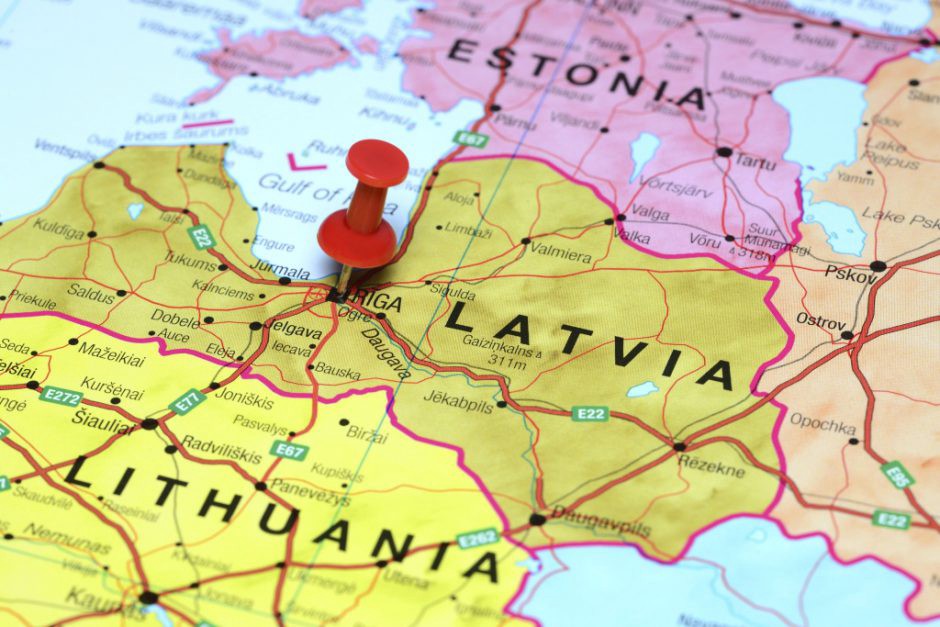
Soviet Occupation of the Baltic States 1940

It is often the destiny of small nations to be swallowed by the big ones. Human history has witnessed more than a few of them disappear as if they never existed. However, after the First World War, many of them, long forgotten, resurrected. The all-proclaimed right of self-determination gave birth to several new countries, old nations. Among them were three Baltic states of Estonia, Latvia and Lithuania. It was, however, their ill fortune that the peace established in Versailles was not destined to last long. Once a new storm loomed over the Old Continent, the independence of the Baltic countries was once again endangered. And so, after three decades of independence, former masters, now under the red banner of communism, abducted the freedoms of Estonia, Latvia and Lithuania. The Soviet occupation of the Baltic States that started in 1940 lasted for half a century.