
The Biggest Battles of the Serbian Revolution (Part 1)

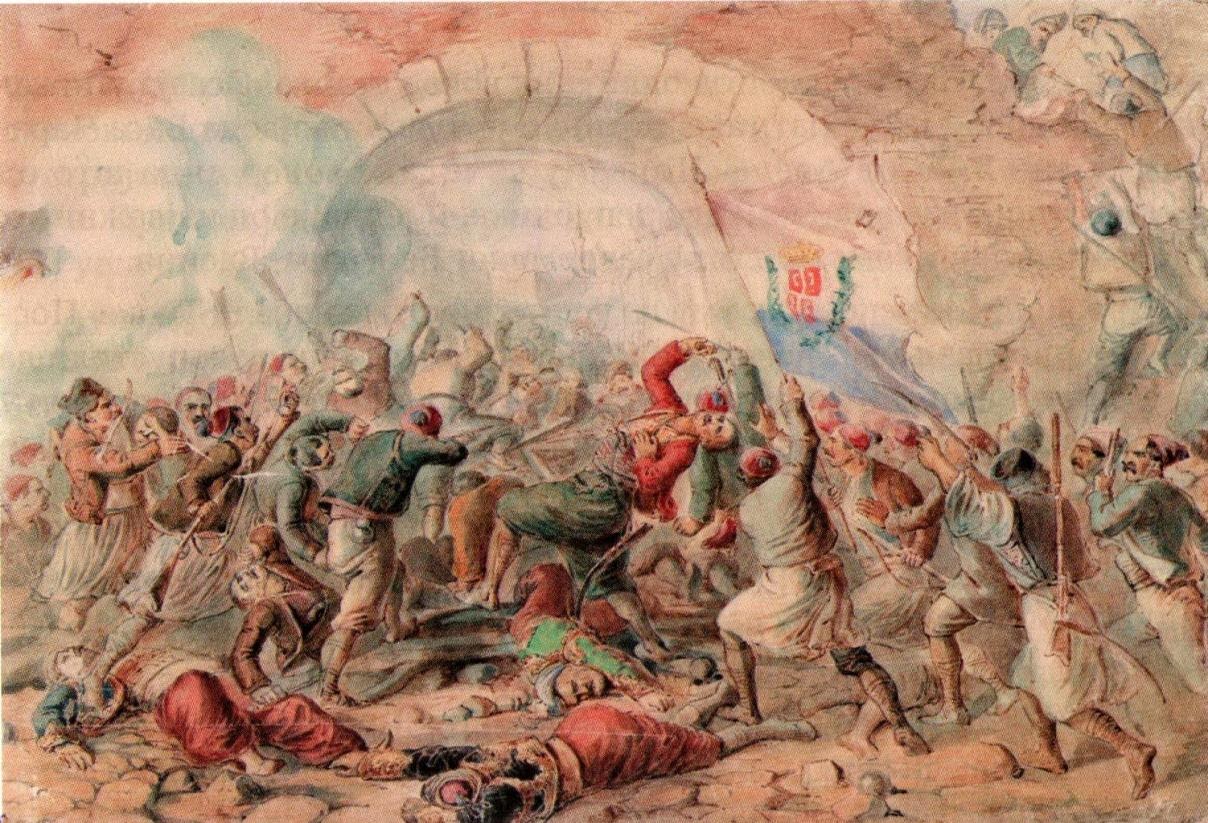
The Serbian revolution was a long and complex historical process, undertaken by the oppressed Christian serfs (Raja) of the Ottoman Empire, intending to obtain rights of social dignity, national recognition and political autonomy at the beginning of the 19th century. As a rebellion of a disenfranchised group of society with a clear aim for acquiring national statehood, it inspired revolutions of other Christian peoples of the Turkish Empire, Greeks and Romanians before all. This major endeavor of Serbian history lasted for almost three decades and featured different methods of fighting. Therefore, some historians claim the Era of the Diplomatic Struggle (1815-1830) as a more fruitful period of the revolution than the previously fought uprisings (1804-1815). Although this might be an interesting point, the role of the armed efforts of Serbian insurgents in opening the door for diplomatic negotiations with the Sultan and Muslim nobility remains indisputable. In the following lines, we will see how the famous battles of the two Serbian uprisings created the ground for the ensuing political negotiations with the Turks.
The First Serbian Uprising and the Great European Powers

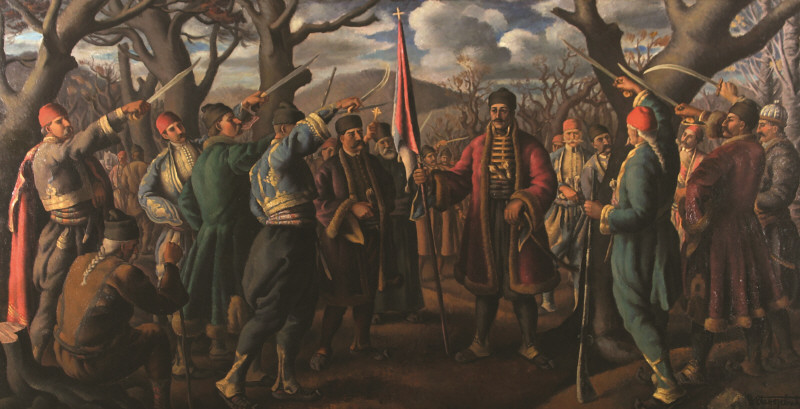
Originally imagined as a small-scale agrarian rebellion against the oppressive, unlawful rule of Turkish provincial authorities in the Belgrade Pashalik, the First Serbian Uprising soon became an event of great prominence in European diplomacy. A small jacquerie on the northern borders of the once-powerful Ottoman Empire sparked a series of national revolutions among the Christian peoples of the Balkans. After ten years of severe fighting, magnificent victories and cruel defeats, Serbian insurgents finally succumbed in autumn of 1813, after the fall of Belgrade. Regardless of that, after the Uprising, the path to eventual success was traced and the revival of the Serbian national state was only a question of time.

Establishing post-war Yugoslavia

Introduction

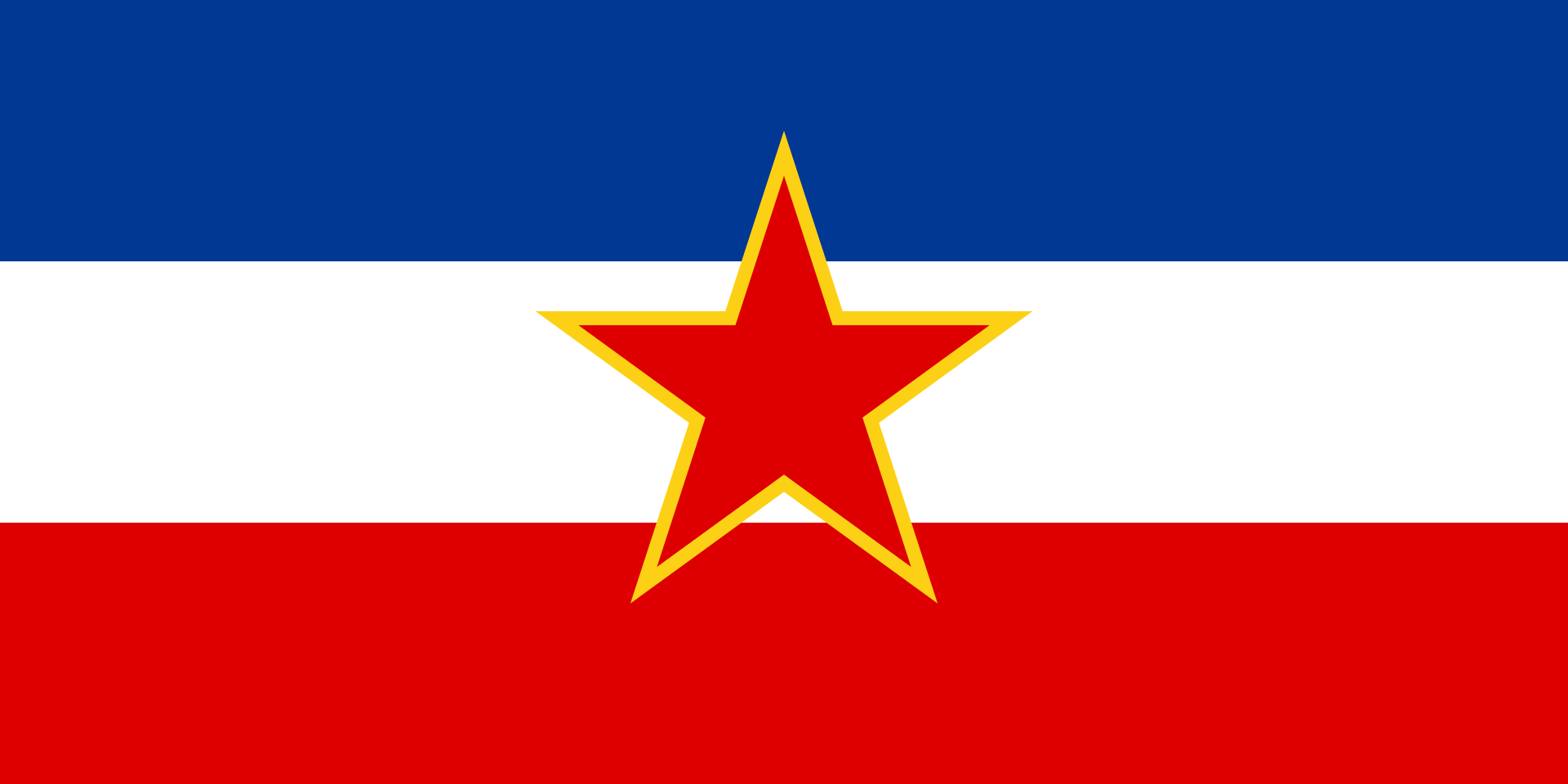
The New World envisioned by the Nazis collapsed with the defeat of the Axis in World War Two. Instead, a whole different world was about to be built with Communism as one of its pillars. As the war was ending, the red wave coming from the east was unstoppable, changing the political map of pre-war Europe along the way. The entire eastern part of the continent fell into the firm grip of Moscow, turning the countries in the region into de facto puppets of the Soviet Union. Such was the case with Yugoslavia, a monarchy known for its distinct anti-Soviet policy. Establishing post-war Yugoslavia turned the country into its total opposite - a faithful copy of the Soviet Union.