
The failure in the success of the Berlin Wall

Introduction

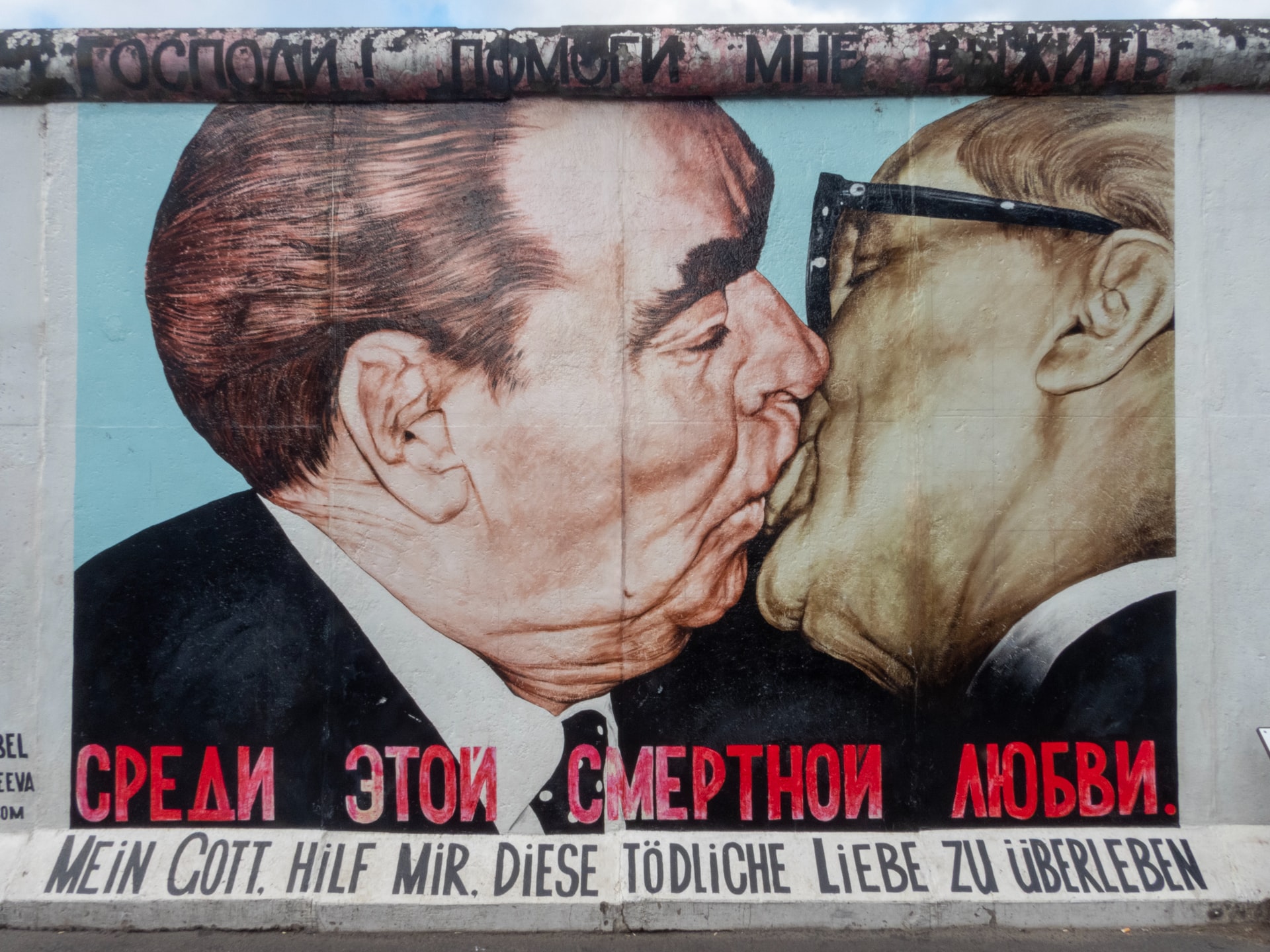
It is hard to pinpoint the exact date when the Cold War began, as it was a gradual transition from wartime allies to peacetime opponents. Yet, the tensions and troubles on the horizon were clear from the get-go, maybe most picturesquely described by Sir Winston Churchill. In March 1946 he described a division of Europe by saying “From Stettin in the Baltic to Trieste in the Adriatic, an iron curtain has descended across the Continent”. Nevertheless, such a gloomy depiction of the Cold War affairs remained nothing more than a metaphor until August of 1961 and the construction of the Berlin Wall, which became its most symbolic representation.
Establishing post-war Yugoslavia

Introduction

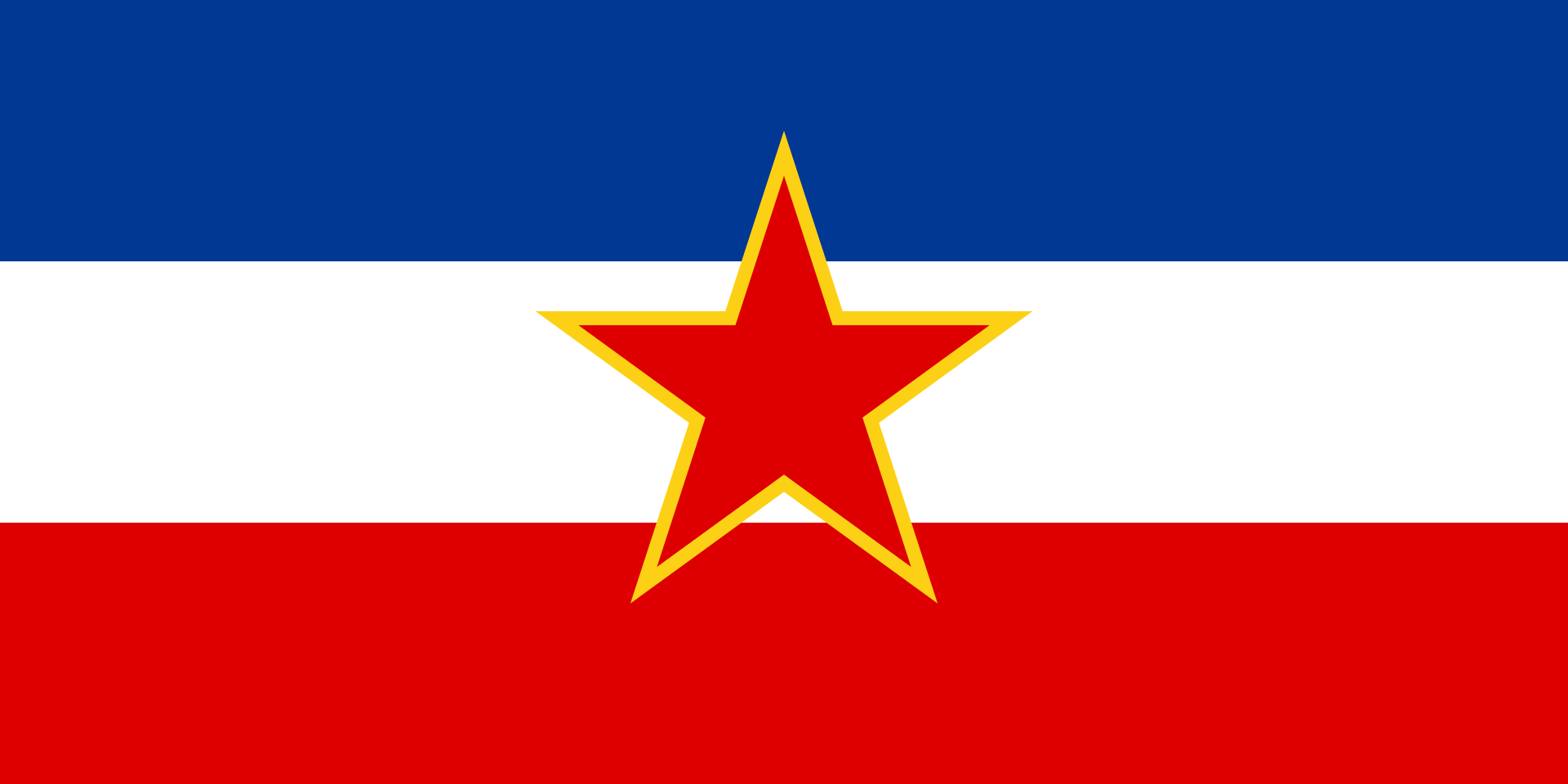
The New World envisioned by the Nazis collapsed with the defeat of the Axis in World War Two. Instead, a whole different world was about to be built with Communism as one of its pillars. As the war was ending, the red wave coming from the east was unstoppable, changing the political map of pre-war Europe along the way. The entire eastern part of the continent fell into the firm grip of Moscow, turning the countries in the region into de facto puppets of the Soviet Union. Such was the case with Yugoslavia, a monarchy known for its distinct anti-Soviet policy. Establishing post-war Yugoslavia turned the country into its total opposite - a faithful copy of the Soviet Union.