
Independence of Libya - In the Hands of Great Powers

Introduction

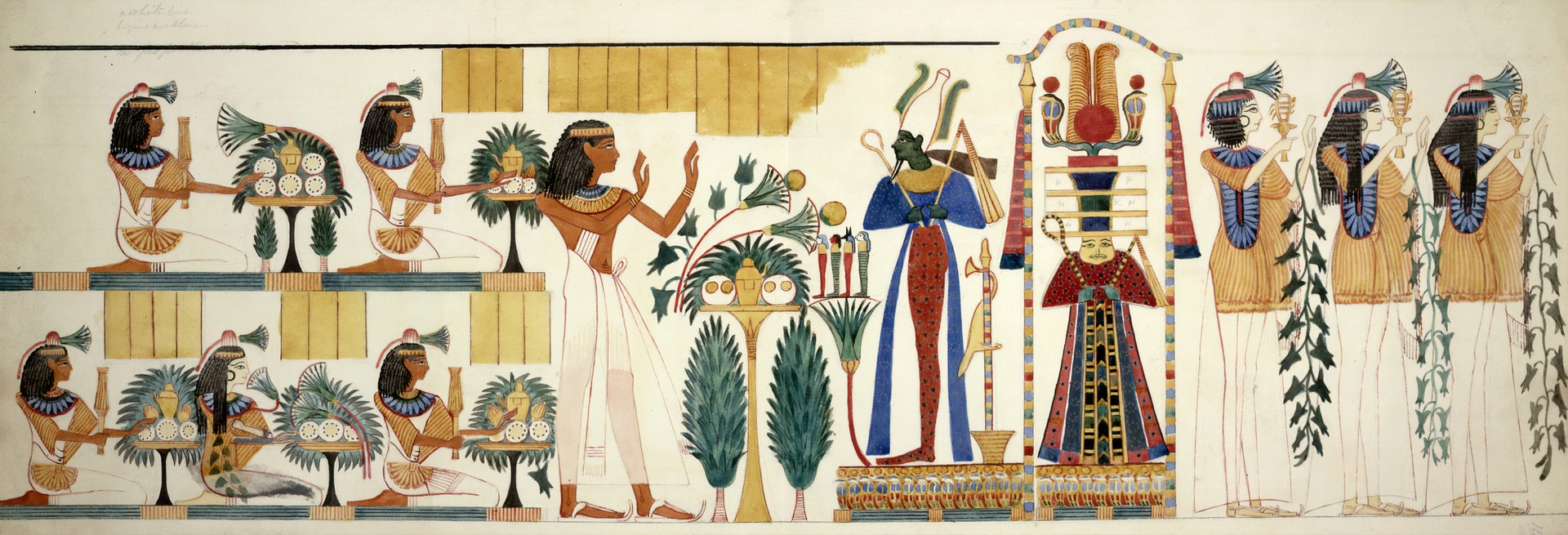
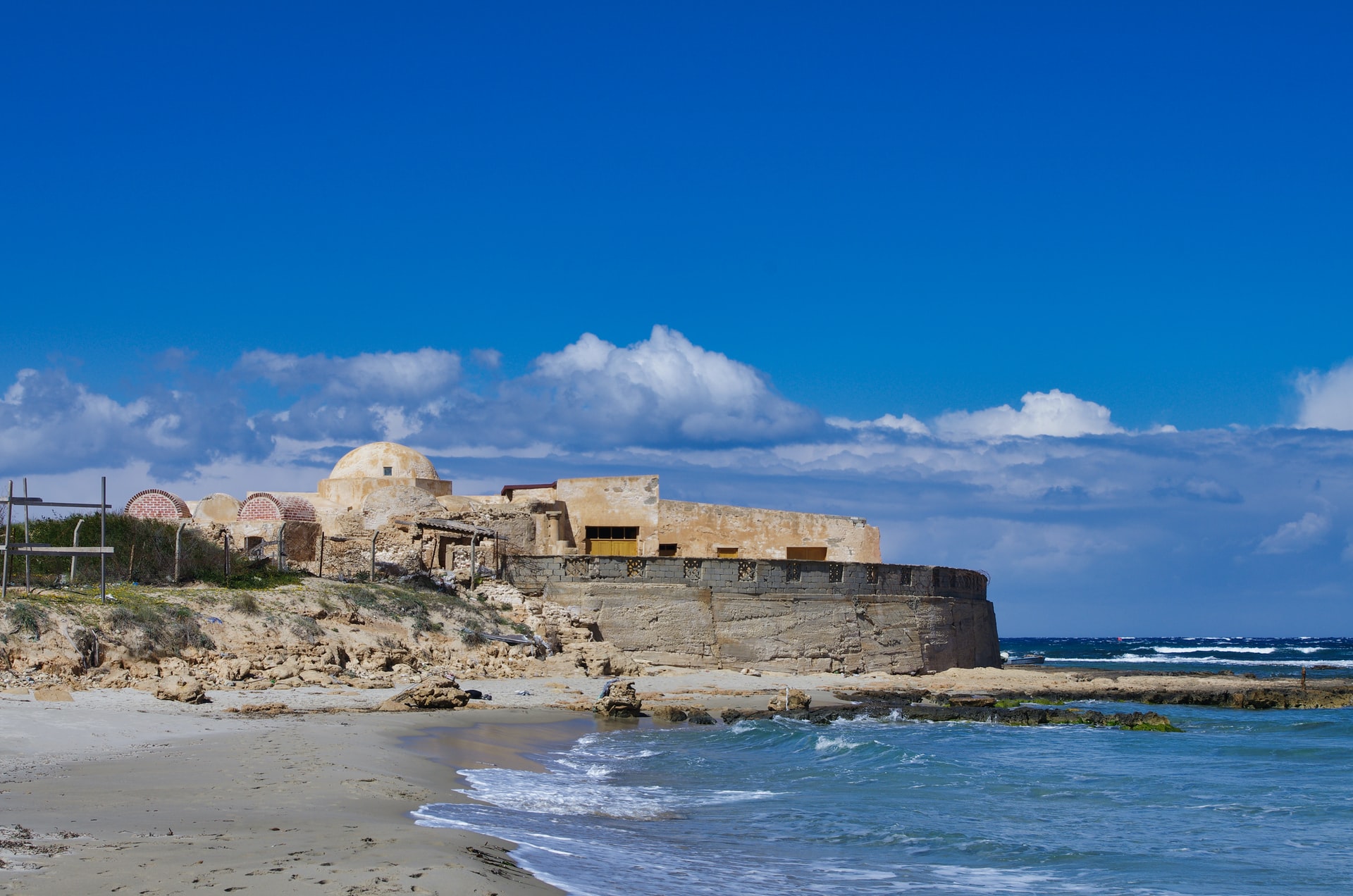
The history of Libya has been a long walk from one invader to another. For two and a half millennia, indigenous Berber tribes have seen many foreign invaders ruling this part of North Africa. From Carthaginians and Romans to Vandal tribes who arrived after the Western Roman Empire collapsed. In the second half of the 7th century, an Arab invasion swallowed Libya with the rest of North Africa. The arrival of Arab invaders changed the image of the region for good, establishing the domination of Islam and Arab ethnic population for good. In the 16th century the whole of Libya fell under the rule of the rising Ottoman Empire. The Ottomans undisputedly ruled the region until the early 20th century. After the 1911 to 1912 Italo-Turkish war, the Ottoman rule was replaced with the Italian. So, when exactly did Libya become an independent state?
The Warsaw Pact - An Unwilling Alliance

Introduction

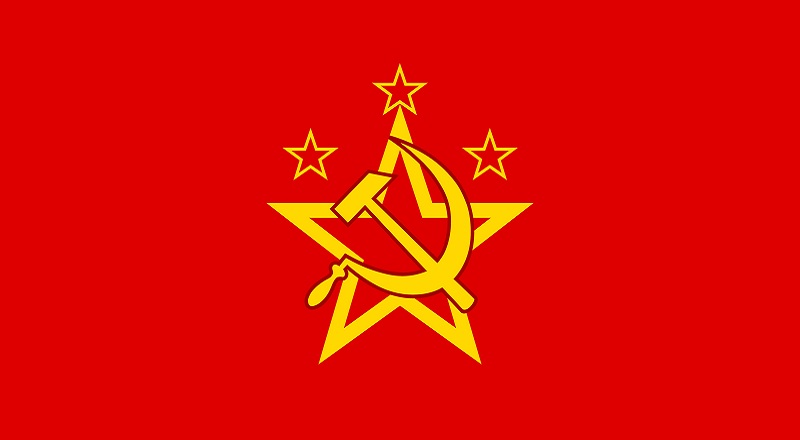
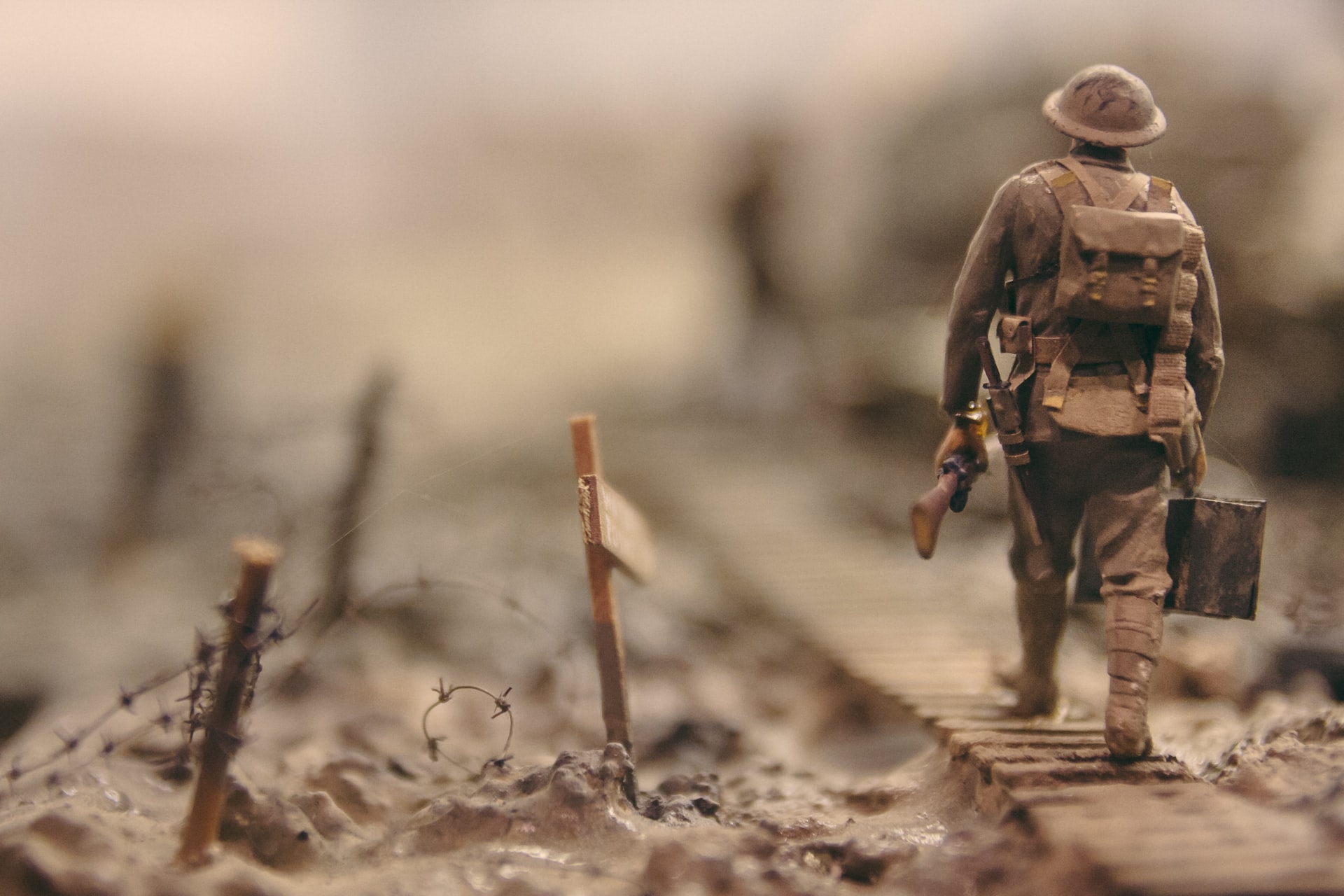
What appears to be the end, always turns into a beginning. When World War Two ended in 1945, people truly believed the world had learned its lessons. The all-consuming war exhausted the material and human resources of the belligerent countries. The European continent was left ruined from Moscow to London. Hardly anyone would believe at that moment that only 10 years later the continent would slide into yet another partition. This time it was Democracy against Communism, West versus East. Countries in the West were standing under the umbrella of the NATO pact. Opposed to them were countries of the Warsaw Pact.

How the Tet Offensive (1968) transformed the Vietnam War?

The Vietnam War before the Tet Offensive

The most iconic conflict of the Cold War era is undoubtedly the Vietnam War (1955-1975) otherwise known as the Second Indochina War. The fighting was spread across Vietnam, Laos, and Cambodia, with substantial civilian and military casualties of the local population with some estimates going over 4 million deaths. The Vietnam War was in all senses a continuation of the First Indochina War (1946-1954) in which Vietnam was divided along the 17th parallel, with the communist rule in the north and anti-communist government in the south. According to the Geneva Conference, two states were supposed to unite after a countrywide election in 1956. However, the US feared that sooner rather than later the Communist Party of Vietnam would take over the entire country, causing a domino effect and dragging the surrounding states to fall under communist rule. Because of the domino theory, the Americans backed South Vietnam to opt-out of the election. It caused a severe reaction from the North Vietnamese, who began first covert operations in late 1956, starting the Vietnam War. Almost immediately the USSR and China began supporting North Vietnam, while the US aided the South. Thus, the war quickly attained its Cold War nature, as a confrontation of two blocks and two ideologies. Here it is vital to note that both Vietnamese states were autocratic and oppressive, despite the propaganda both sides spread to further their cause.