
Establishing post-war Yugoslavia

Introduction

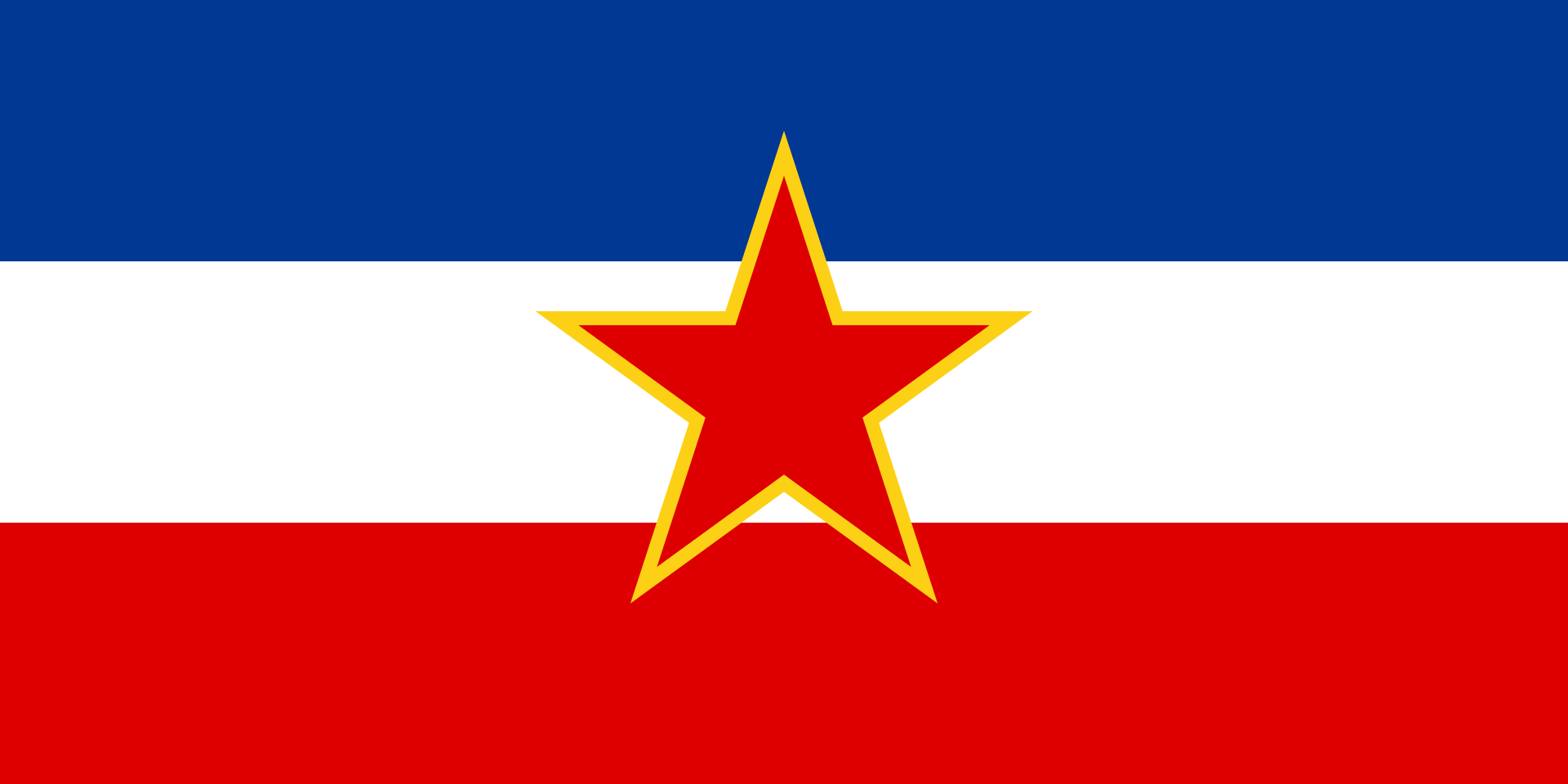
The New World envisioned by the Nazis collapsed with the defeat of the Axis in World War Two. Instead, a whole different world was about to be built with Communism as one of its pillars. As the war was ending, the red wave coming from the east was unstoppable, changing the political map of pre-war Europe along the way. The entire eastern part of the continent fell into the firm grip of Moscow, turning the countries in the region into de facto puppets of the Soviet Union. Such was the case with Yugoslavia, a monarchy known for its distinct anti-Soviet policy. Establishing post-war Yugoslavia turned the country into its total opposite - a faithful copy of the Soviet Union.
A pause between two wars: Disaster of the 1919 Paris Peace Conference

Background

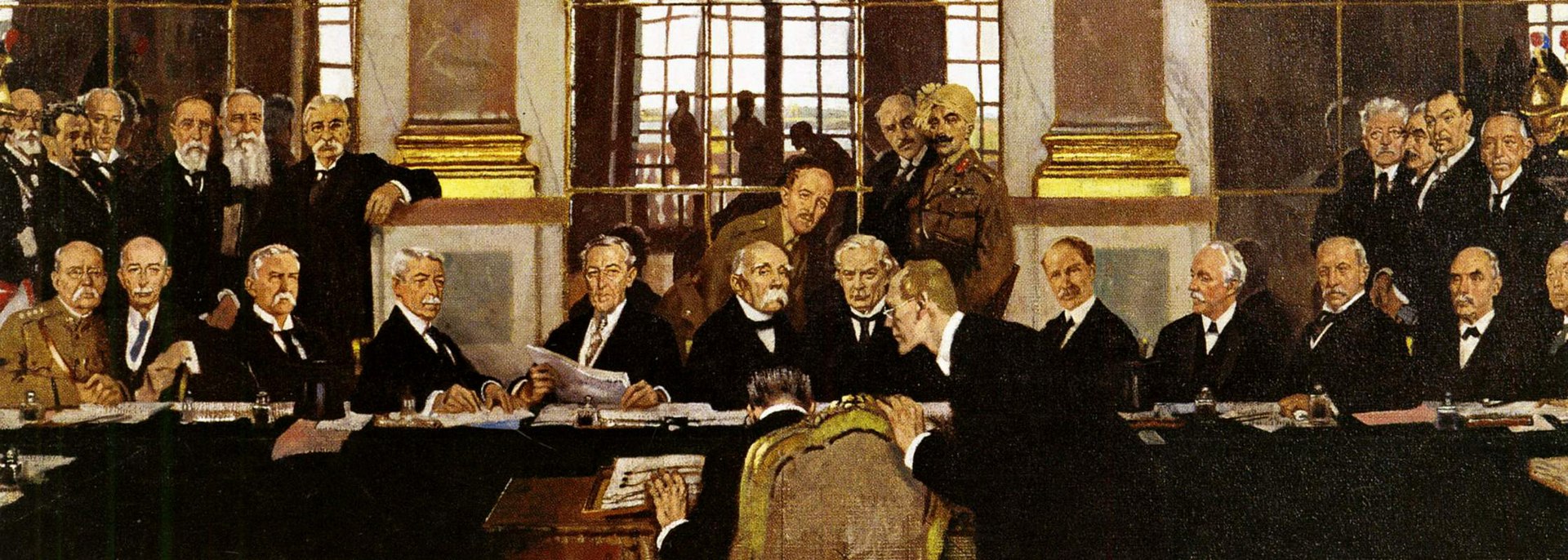
In the early 20th century, the world found itself in a global conflict. World War I, or the Great War as it was known at the time, lasted from 1914 to 1918, pitching Central Powers (Germany, Austro-Hungary, Ottoman Empire) versus the Entente/Allied Powers (Russia, France, Britain, and later the US), with a myriad of smaller allies on both sides. Without going into the question of reasons and causes of the war, many fighting at the time thought of it as a “war to end all wars”, a notion which proved to be too idealistic. Part of this was caused by the faultiness of the peace treaties that came after it.

Independence of Libya - In the Hands of Great Powers

Introduction

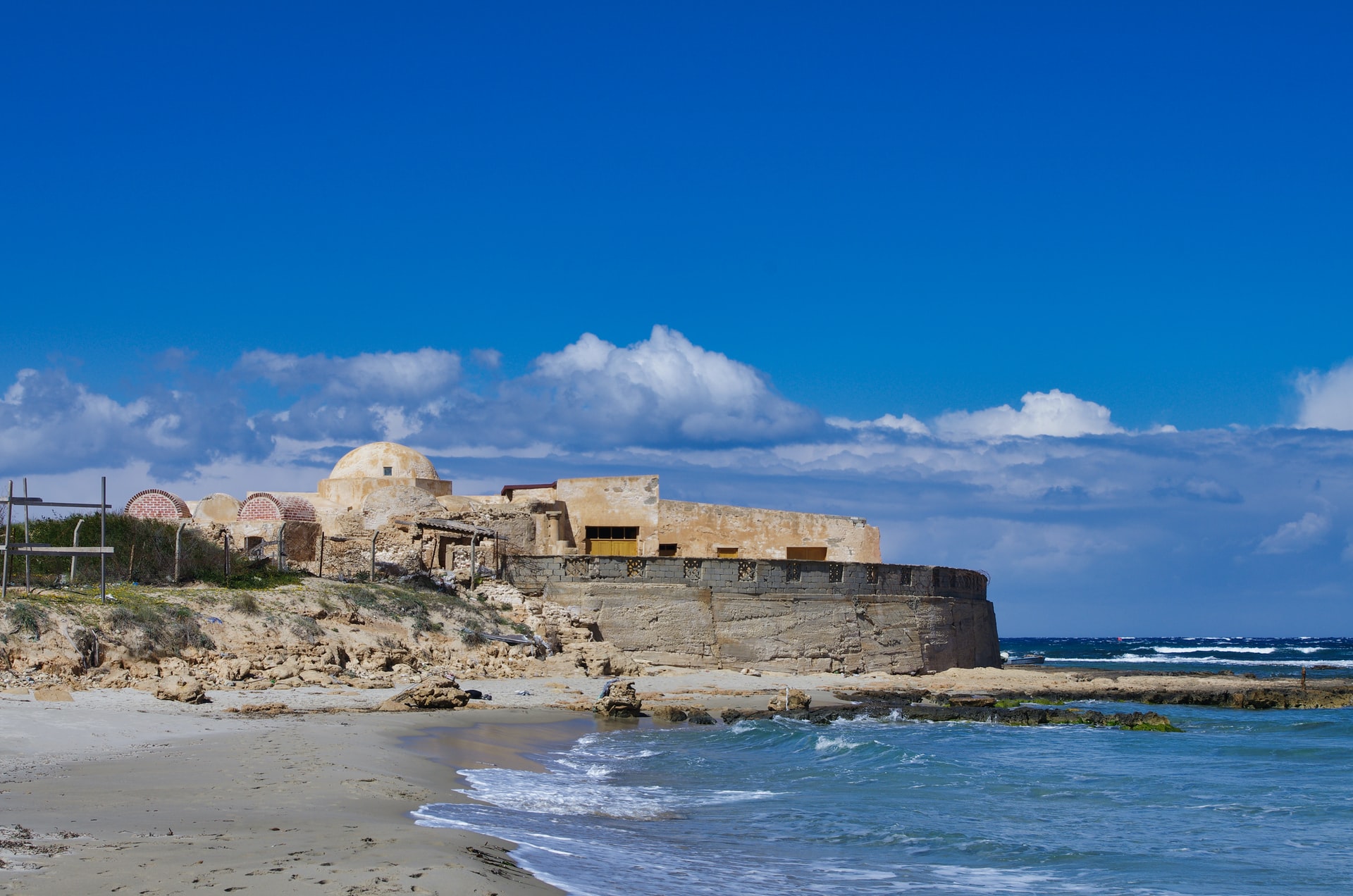
The history of Libya has been a long walk from one invader to another. For two and a half millennia, indigenous Berber tribes have seen many foreign invaders ruling this part of North Africa. From Carthaginians and Romans to Vandal tribes who arrived after the Western Roman Empire collapsed. In the second half of the 7th century, an Arab invasion swallowed Libya with the rest of North Africa. The arrival of Arab invaders changed the image of the region for good, establishing the domination of Islam and Arab ethnic population for good. In the 16th century the whole of Libya fell under the rule of the rising Ottoman Empire. The Ottomans undisputedly ruled the region until the early 20th century. After the 1911 to 1912 Italo-Turkish war, the Ottoman rule was replaced with the Italian. So, when exactly did Libya become an independent state?