
Legality and morality of the First Gulf War

Introduction

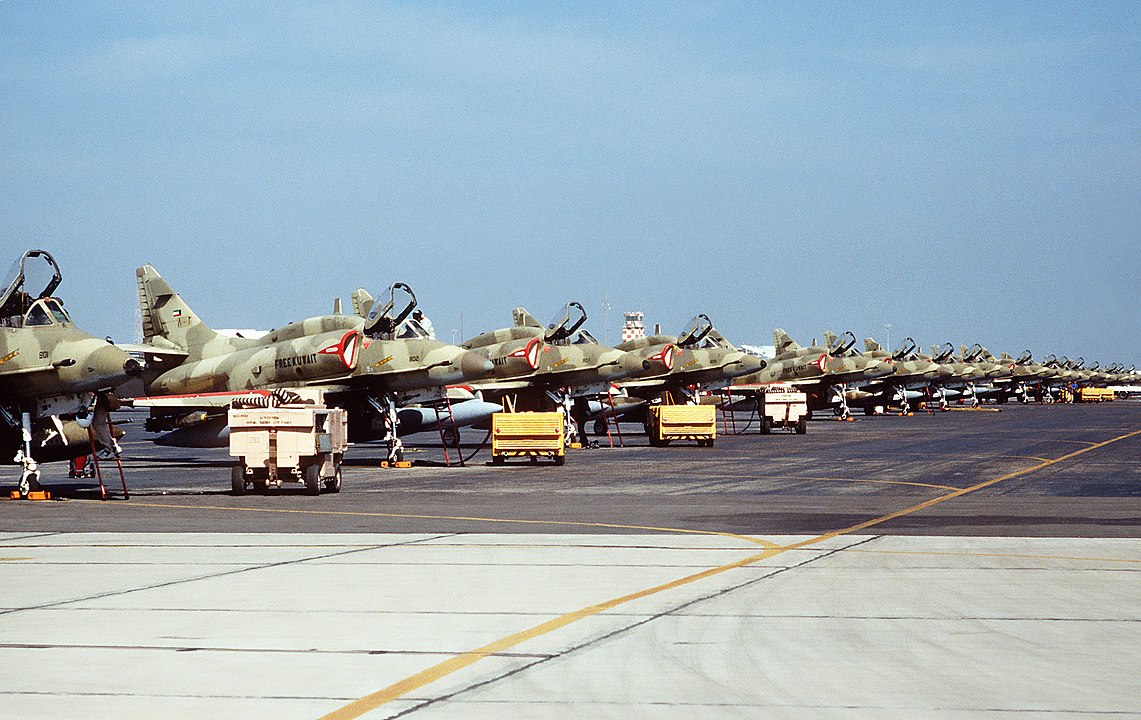
The United Nations is an international organization that was created to uphold peace and encourage good international relations and cooperation. It was supposed to bring harmony among the nations of the world and lead them to a future where there were no more wars. However, like all human creations, its structure and administration have flaws while the utility of the UN always relied upon the imperfect humans that constitute it. One of the questionable moments in the history of the United Nations was sanctioning of the First Gulf War.
The Non-Aligned Movement: Caught in the middle of the Cold War

Introduction

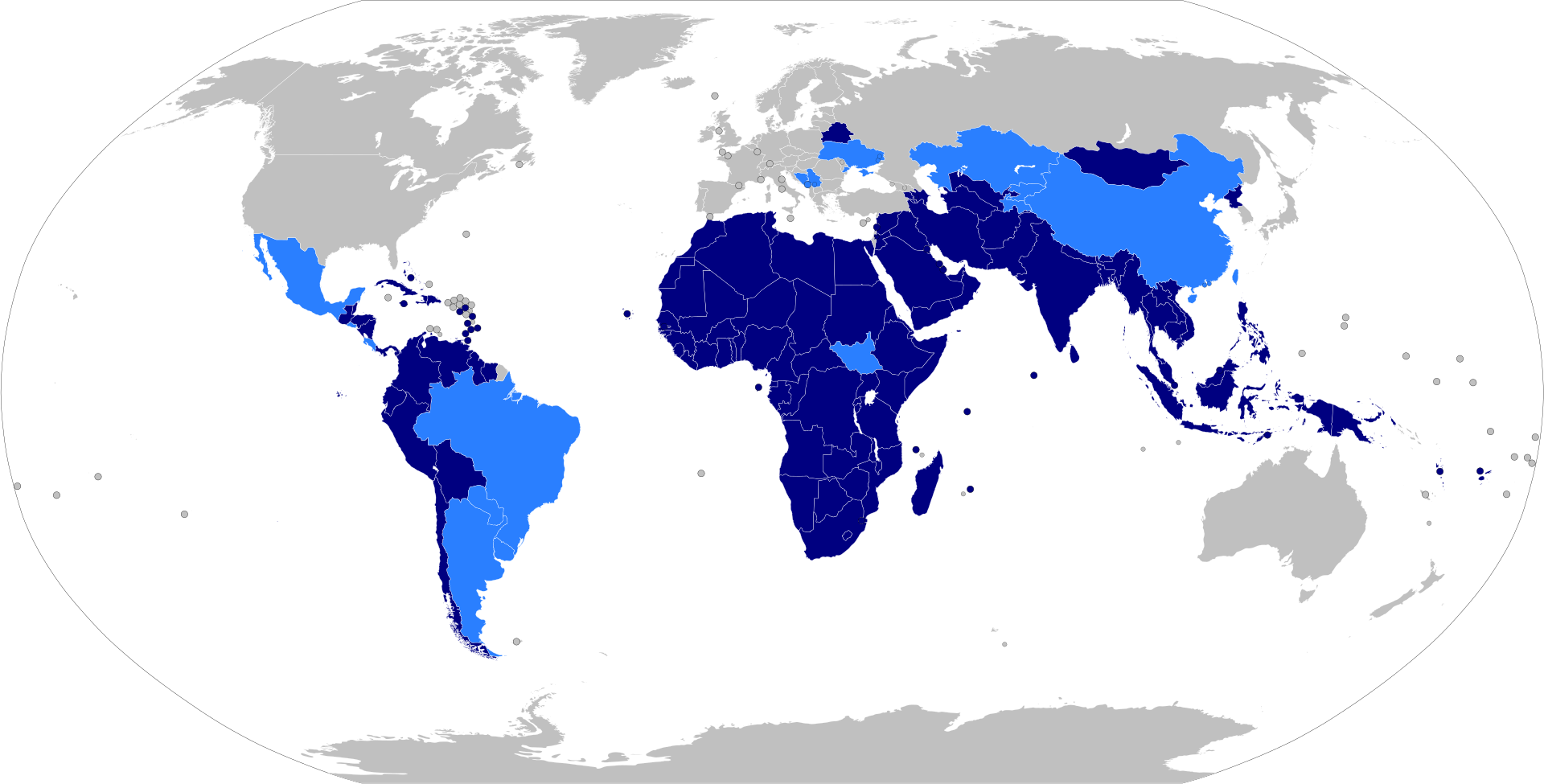
The Cold War is often depicted as an era marked by a struggle for global dominance between two blocs led by the USSR and the US. Such representation is quite reasonable, yet it clouds our view on the past by focusing it on only a fraction of the historical horizon. There were more nations and states than just the two giants, many of which gained independence in their struggle against colonialism and imperialism. As the number of those smaller, often quite poor and underdeveloped, nations continued to rise, their leaders found that strength in number is better than nothing, forming the so-called third Cold War bloc – the Non-Aligned Movement (NAM).

Independence of Libya - In the Hands of Great Powers

Introduction

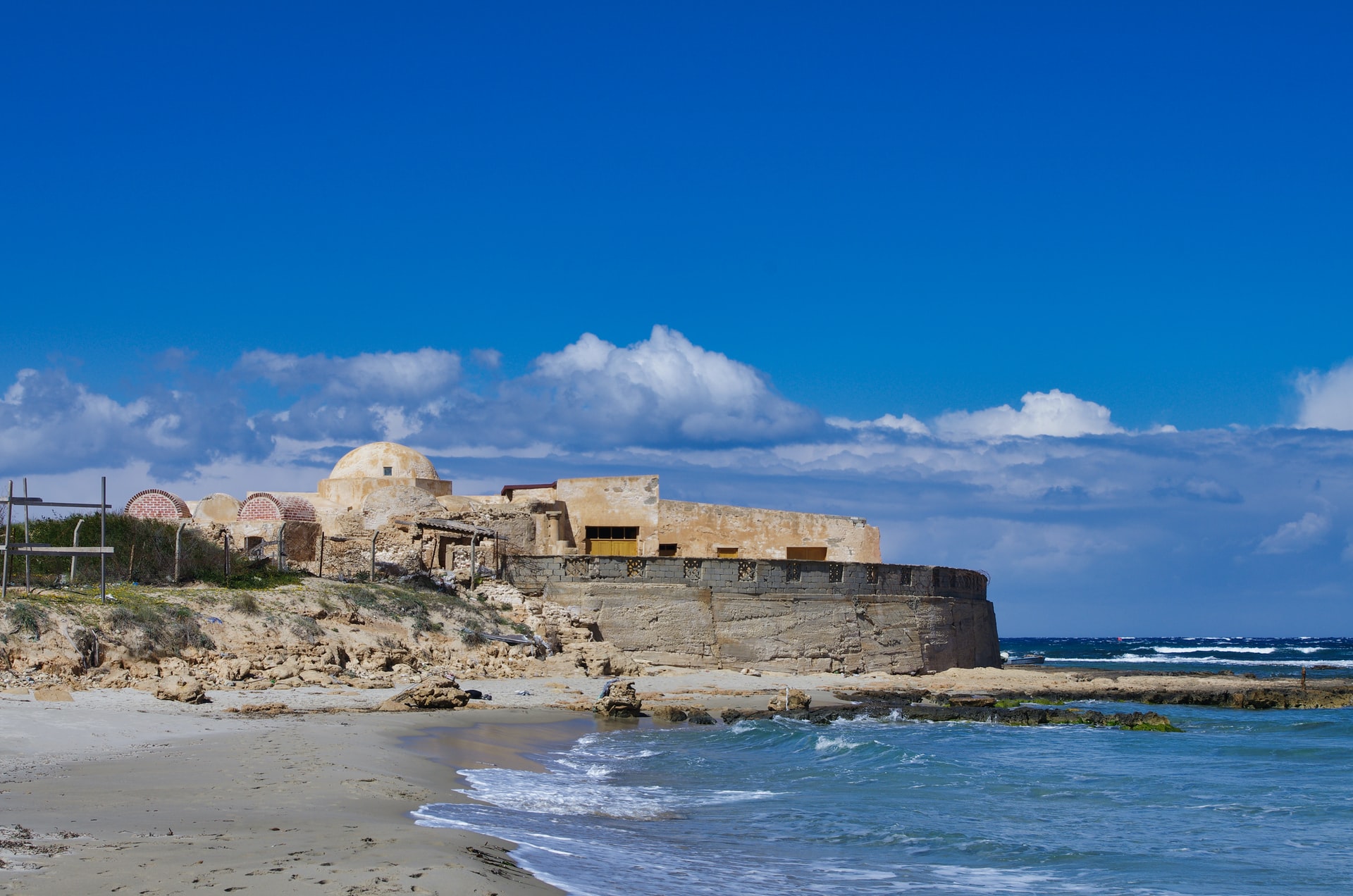
The history of Libya has been a long walk from one invader to another. For two and a half millennia, indigenous Berber tribes have seen many foreign invaders ruling this part of North Africa. From Carthaginians and Romans to Vandal tribes who arrived after the Western Roman Empire collapsed. In the second half of the 7th century, an Arab invasion swallowed Libya with the rest of North Africa. The arrival of Arab invaders changed the image of the region for good, establishing the domination of Islam and Arab ethnic population for good. In the 16th century the whole of Libya fell under the rule of the rising Ottoman Empire. The Ottomans undisputedly ruled the region until the early 20th century. After the 1911 to 1912 Italo-Turkish war, the Ottoman rule was replaced with the Italian. So, when exactly did Libya become an independent state?